Showing posts with label FMP 2017. Show all posts

Friday, 30 June 2017

My FMP: Updated

My FMP: Updated


After finishing my FMP, it was pointed out to me that the installation I had done for the exhibition wasn't as strong as it could be, nor was it cohesive with the rest of my project, as I didn't fully embody everything that I had been researching.

I made the decision to restart with the intallation, this time planning to add in the materials I had tested such as sand, sugar, and cereal so that it brought in elements of my experimentation. 

The first exhibition had been up for near two weeks when I started over, and my ongoing experiment to see if the pigments in the black ink I used would rise to the surface of the plaster was unsuccessful.


My final FMP is made up of numerous different elements. Of course, I kept the brick towers the same as I was happy with them, but I relocated them so that they would fit with the new layout I had come up with.

On the floor I spread out sand that was the thickest in the top corner of my exhibition and that slowly faded to nothing towards the back. My reasoning for doing this was to create a boundary for the sculptures to sit in, as before I had constrained myself to only a small amount of room so as not to interfere with other peoples work. This layout stops any interference, but because o the rich colour of the sand, it automatically becomes more commanding before, and has a much bigger presence in the room filled with sculptures and colour.

On the sculptures I have poured some of the materials that I had used that were previously hidden in handmade envelopes, this small change in texture provides a new focal point in a very much raw installation.
I hose to place three of the sculptures together in the center that varied in size, one on the very edge of the boundary, and two at the back off of the sand. The distance between each is different so that people can walk around. The sand as well brings an interesting texture for people to walk on, rather than just plain flooring. 

I am much happier with this layout as I feel that it looks more commanding, concise, and a lot stronger in terms of presentation. Whereas before I had hidden my materials in envelops, they are now flaunted and are a major part of the installation. The placement sporadic of the towers mean that rather than being apologetic, the installation is much more unapologetic.


Monday, 19 June 2017

My FMP

My FMP 2017


'Everyone is equal, but some are more equal than others'


My final piece consists of all of the theory and experiments I have tried out over the course of the projects without me actually realising it until I gave it some thought. It includes my experimentation into fragility and stability through the towering and balancing of materials, it includes the ever changing through use of ink mixed into the plaster, which will, over the course of the two weeks that the exhibition is open will hopefully change in colour and display the pigmentation the ink is made up of. It of course uses predominantly found objects, which I prefer to use over made objects. Finally, it is the embodiment of my research into hierarchy, and for me, successfully holds the meaning of the quote I chose to use without it being blatant.
In the back, while it isn't visible in the image, is the sketchbook i have actively used throughout the project along with numerous envelopes which each contain a material that I have experimented with- One holds small images of experimentation that I have taken over the course of the project.

While it is a final piece, it also serves as a final experiment. I hadn't experimented with black ink before with plaster, and so decided to try it out, knowing that some black inks are made up of numerous different coloured pigments. At first I wasn't sure whether or not I wanted to use the black ink as the 'plinths' they would be placed upon already contained a lot of various colours. However, I really wanted to try the experiment out, and so made the decision to use the coloured plaster rather than just plain white plaster, which I had considered.
Hopefully, over the course of the next to weeks during which the exhibition takes place, a change of colour in the plaster should take place, and iff not, all of the plaster that I chose to use has different quantities of the ink in, and so still is interesting to look at.

I decided to place my exhibition in the corner of the room because it would give me the opportunity to experiment with using a limited space, unlike last years when my work was in the centre of the room. this year, i decided to place my installation in a way that it would lead the viewers around the room rather than into the corner. Of course, at he suggestion of a fellow classmate, I left a space behind so big enough so that people could walk behind the installation and see it from a different perspective, and I also placed my sketchbook and material envelopes behind as well, so that people would have t go behind so that they could look through the sketchbook.

I am a little worried, however, because the plinths are not solid and move when touched, and could be easily knocked over if someone happened to slightly catch the corner. I would mind if the plinths were to fall over, but it is a health and safety issue if they do fall. 

Overall I am happy with the outcome of my piece as it contains a little bit of everything that I have looked at over the past year. My artist influences haven't changes all that much, which can be seen clearly when comparing last years final piece, however I feel that with the research and experiments I have conducted throughout my FMP, even though they aren't present in the final piece, they have definitely helped me develop my work to a much higher standard than last year.

Introducing Theory

Avoiding patronisation and development of theory topic


I had rebooted my project with the intention of using slums as the base as I am really fascinated by the architecture and lifestyle within these areas. However, it was pointed out to me that while it most certainly wasn't my intention, looking at slums as a source of fascination was dancing on a very thin line between fascination and patronisation. I was also in danger of making blatant representations of the mismatched buildings seen in slums for lack of direction to take the idea.

It could be seen as patronising because I would be looking at the lifestyle of a person who lived in that situation and seeing it as interesting, whereas circumstances in the areas I would be looking upon with interest have no choice but to live their. It is a necessity rather than a choice they made.

Because I would be assuming how the people living in slums felt about living in the slums, it was suggested to me to instead look at the topic in terms of animals so as to remove from human condition, and rather than look at the architecture itself, perhaps look at structures made through necessity and instinct, like anthills and termite mounds.
Within the mounds made by these insects are extremely interesting structures made my animals born into a hierarchy; a worker ant is born a worker ant, a queen ant is born a queen ant. It is easier to assume that ants and termites don't think about their position in their hierarchy because we aren't the same species, and cannot communicate.

From here, is started looking at Animal Far, a book written by George Orwell and first published in England in 1945. The book depicts a social hierarchy within a group of farm animals with pigs being the highest on the food chain. It is an allegorical story, and tells from the perspective of animals the lead up to the Russian Revolution in 1917l, and then to the Stalinist era of the soviet union. From this book, a became very interested in the quote:

"All animals are equal, but some are more equal than others."

This quote to me became the basis of my new investigation and experimentation. I started out with the most basic of ideas; the materials I use should be of equal amounts but of different value.

I began to break down the quote into what it could mean.


while the meaning is very obvious, I wanted to see if it could hold any other meanings that could be of use to me when experimenting, but in the end, I decided to settle with the most obvious of meanings, which al comes back to hierarchy; There is no equality, only hierarchy.

My project would be focused on creating an allegorical sculpture or installation that depicts the quote, which I had reformatted to 'everyone os equal, but some are more equal than others'. I planned to depict how those higher in the food chain would say that 'we're all equal', but would live more luxurious lifestyles than most.

The piece would be made using very raw materials, as I had done throughout the project, and would comprise of towers of different heights that all held the same material on the top, which would be plaster. 


Friday, 9 June 2017

Kowloon Walled City

Kowloon Walled City


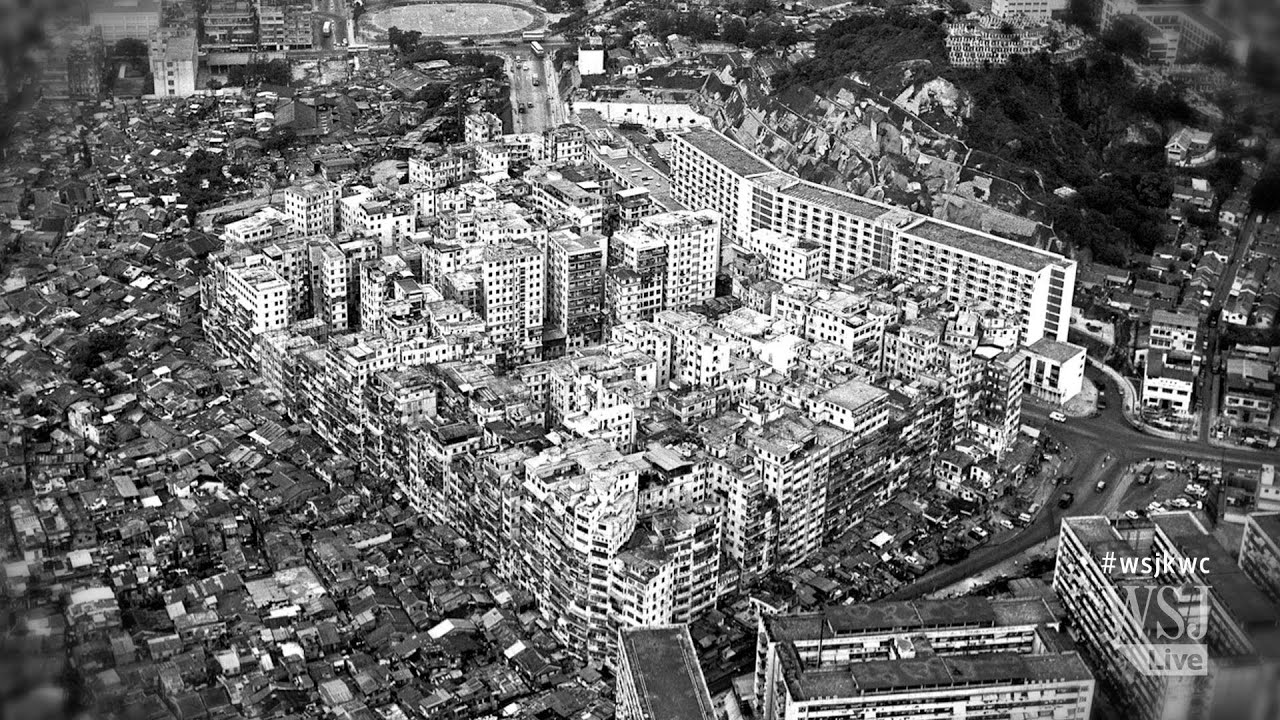
Kowloon Walled City, one thought to be the most densely populated place on earth, It was ungoverned and notorious for it's crime and drug dens. 

The city traces back to the 1600's, when it was a Chinese military fort to defend the area against pirates and to manage the production of salt, but it eventually became an enclave when the Chinese authorities leased the New territories to the British.
During World War II, Hong Kong fell under the rules of Japanese occupation, and parts of Kowloon Walled City were demolished for building materials for the nearby airport. When the Japanese finally surrendered the city, the population increased as the number of squatters moved in and made their homes there. It then fell under the rule of Chinese triads.

By the 1980's, it had become notorious for its brothels, casinos, cocaine parlors, and opium dens. It was also famous for its restaurants that would serve dog meat.
The city eventually became the focus of a diplomatic crisis, with both China and Britain refusing to take responsibility. Over time, British and Chinese authorities found the city to be increasingly intolerable, and made the decision to demolish it, despite the city's lowering crime rates over the later years. Eventually, due to lacking sanitary issues, the decision was made to demolish the city.
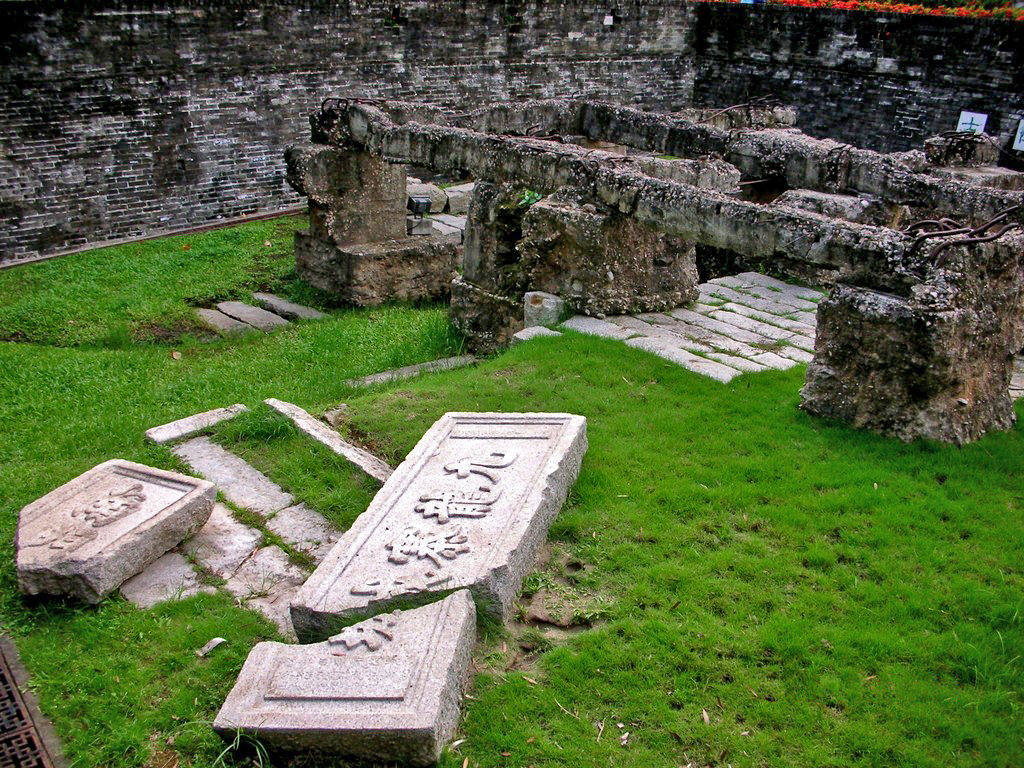
Some residents protested, but the government spend 7.2 billion HKD's in compensation and began the evacuation in 1991. The evacuation was completed in 1992, and in 1993 demolition began and finished in 1994. In 1995, Kowloon Walled City Park opened. In it were the preserved remnants of the South Gate to the City, as well as the Yamen building. 


At the peak of its population, the city was home to 33,000 people; 33,000 families and businesses were all crammed into around 300 interconnected high rise buildings, all constructed without the input of architects, within a 2.6 hectare block. The only open place were the rooftops of buildings, where planes often flew overhead because of the city's close proximity to Kai Tak Airport. despite the rate of crime in the city, the residents were said to live peaceful lives.


Hashima Island

Hashima Island


History of Hashima Island:


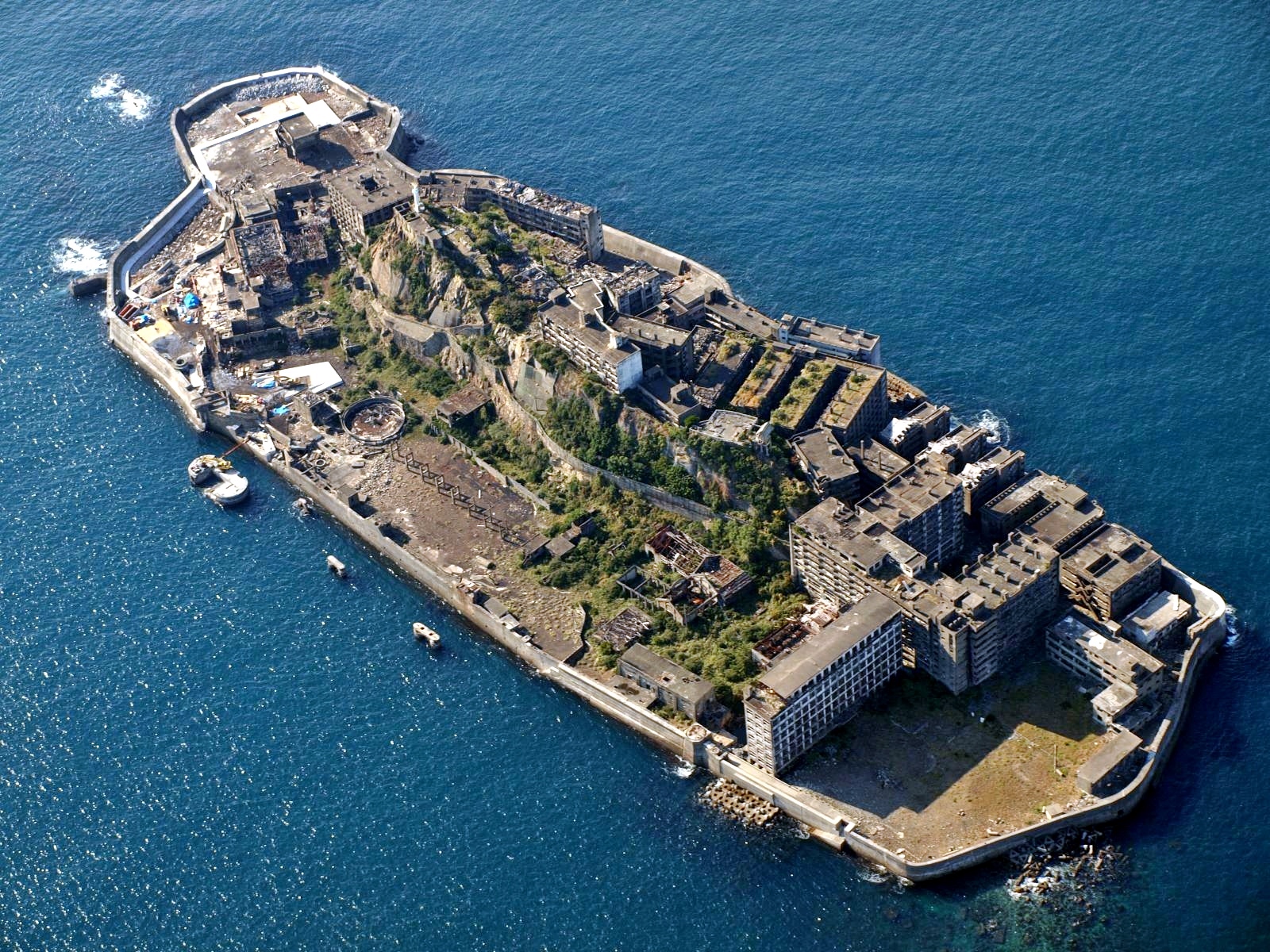
Hashima Island, commonly called Gunkanjima, and also known as Battleship Island, is a former coal mining island established in the 1880's that was most active around the end of the 1950's. It gets its name because of its likeness to the Tosa Class Battleship after the inhabitants reclaimed land from the sea surrounding the island to make it three times its original size using materials dug up when digging down to make the mining shafts. the mine was closed down in 1974, and all inhabitants were relocated.

Hashima island became a world heritage site in 2015 after a long struggle against South Korean representatives due to their refusal to acknowledge the history of forced labour on the island. South Korean representatives finally dropped the case when the Japanese agreed to acknowledge it as part of the history of the island.

Since being abandoned in 1974, the island has fallen into a state of disrepair, but for the most part it's buildings remain intact. They had been built using reinforced concrete.


Wednesday, 7 June 2017

Introducing Theory

Introducing Theory


Over the past couple of months, I have been experimenting with various things such as stability of materials and stability its self, however it became quite clear once my ideas began to run out that without theory to work from as a source of inspiration, it was going to be extremely difficult to continue working to create worthwhile pieces. 

To find an area of interest to work from that I could bring theory from, I started brainstorming what my interests were outside of art.

My interests were as follows:

  • Clouds/ Sunsets and sunrise (The ever changing nature of): I am rather fascinated by both sunrises and sunsets, but am more interested in clouds and how they are ever-changing and never the same. I like to watch how sunlight filters through or doesn't filter through, and how the shape and colour of a cloud can tell much about the cloud itself. Sunsets and sunrises are always the same, but because of the weather or how the clouds have formed in the sky, they never look the same.

  • Slums (The architecture, culture of, and community between residents): The reason slums fascinate me is because of how they spring up and expand and follow the shape of the land. They residents use materials that they find in order to build shelters and homes, and what was once a temporary home can become a permanent residence. Slums, despite first appearances, have a healthy and individual eco-system, and have their own neighbourhoods and communities. More over, the community between the people living in 'squalor' is much more wealthy that the community that resident in urban environments share. I feel there is much to learn from those who have nothing but still live happily. 

  • Drag (The exaggeration and community): Drag is something that influences everyday life without people really knowing it. It is an art form that is heavily looked down upon because of the stigma surrounding drag and homosexuality. Within drag there are numerous different categories that each have their different rules, and each city has their own drag 'family'. It is a time consuming art form that I respect. The exaggeration and transformations are what I really enjoy; A drag queen or king can use cosmetic that people use in everyday life to create a mask that looks hyper-feminine or hyper-masculine. I personally prefer drag Queens for the amount of effort and pain they choose to go through in order to create this second persona.

  • Reading (Particularly the fantasy genre wherein a whole new world is created but still relates to reality through the uses of religion, monarchy, and hierarchy): I love that no matter how different the world, and no matter what inhabits said world, the creator will always put into place a hierarchy reliant on monarchies and religion to keep the world intact and running. It is said the a hierarchy and religion is all that is needed to uphold a community, and yet it is also what can break one down.
From my brainstorming, I was able to pick out multiple different aspects of each point (not including my interest in clouds/sunsets/sunrises) that reappears in each; that would be community and rules.
Relating this to my FMP, I thought about creating a, interactive piece that would bring people together, however the issue still remains that people can still interact with the piece alone. Instead, I decided to experiment with creating my own rules that would restrict how I worked, but would also make me think outside of the box.
At first, the rules didn't help as I didn't know where to start after hastily setting myself some set rules to work by. Once I realised that working by set rules wasn't going to work, I decided instead to experiment with setting new rules each time I started a new piece. My first rules were must be symmetrical, only one batch of plaster can be used, and must include one primary and one secondary colour, however these rules, rather than allowing me to form ideas, completely stumped me.

Of course, if I could link other parts of my contextual work into my FMP, that would give me even more ideas. Out of all of the ideas that I had noted down whilst brainstorming, I was most interested in the Slums. 

Since I use a lot of found objects within my work, I thought that I could start to bring in reference materials from slums to begin to construct things or to come up with ideas.
My first idea was to simply reconstruct a model of the Mumbai super slum Dharavi, using both found and manufactured objects. The city of Mumbai would be portrayed using materials such as bricks and plaster blocks, while the slum surrounding it would be unorganised and made up of found drink bottles, cans, and plastic cups. I thought about slowly collecting bottles and the likes over time and eventually creating an extensive 'city' that would spread out across the exhibition floor, however the more I looked at it, I decided I wasn't satisfied, and there also wasn't any development work that led up to the idea, which would have made no sense. 

I decided after this that my first rule to experiment by would be Build Up, which meant that rather than creating something that would sprawl across the exhibition floor, would instead be built up towards the ceiling. At this point, I was still hung up on my former idea of experimenting with stability, so I thought about creating something that would effectively climb up a wall and would rely on the balance of the objects used to stay upright, however, after some testing with matches, I realised that it would be impractical.


It would be incredibly difficult to build up on top of a structure that wasn't held down nor held together, as when constructing it, it could collapse. 

I also tried building with jenga blocks, which in comparison are much more stable that matches, however the structures I was able to create with these blocks were nothing more than basic.


I thougth about recreating a slum house that I had seen an image of, but it just didn't feel right. I liked that the blocks were all at different levels and were unstable, but it looked too put together.


What I like the most about slums in general is how people live in the small amount of space allotted to them. 


T most, the places look extremely ugly, and to the residents of the cities that the slums are in, they are more commonly seen as an eyesore than a place that hides a wealth of things we could learn from. It is the ugliness that I really like- I love how the buildings are crooked and towered on top of other buildings, and how they loom over narrow alleys and roads.

Slums are an excellent example of how something is build up and out with limited space and resources, which is exactly what I aim to show within my work limited only to the objects I can find or create. 


Tuesday, 23 May 2017

Stability

Purposefully making objects unstable


After experimenting with destroying stability in sand, I decided to combine both sand and plaster together, but not mixed, to make a sculpture that would crumble when I forced it to.

My idea relied on the knowledge that sand crumbles straight away or over time when water is introduced depending on how it is introduced because of a previous experiment, and also relied on the knowledge that plaster would crumble but at a slower rate because of a different experiment.

My focus for this experiment was getting a shape or layout that would work best, and where the sand could be easily reached by water. Each idea I had would always have sand as the base piece.

at first, I decided to build a tower using alternating layers of sand and plaster, but after some thought, i realised that only the bottom would crumble while the rest of the tower was like to remain stable. I chose to use triangle blocks instead, which would mean that I would have to stack up the different sized and shapes triangles into an unstable position before the experiment had even started. I planned to sit the tower in water and let it fall as the base crumbled.

I then decided to make the plaster piece larger so that it could topple over when placed on the sand triangles, which were all one size because of the trouble  had moulding them. The difference in size meant that they would either be balanced, or the top would overbalance the bottom and would be unstable.


Out of curiosity, I decided to try it with a sphere of plaster rather than another triangle.


The sand triangles I had moulded a week before, but because of the environment they were in it took them around about a wek to dry fully before I could use them.

Mixing Sand into Plaster

Making curves with plaster


Since I had started moving back into my comfort zone, I decided to try and mix other materials into plaster to see what would happen.
I also decided that rather than making simple lumps of plaster,  wanted to make a shape that would actually curve.

At first, I had planned to create two different lumps of plaster and join them together by a found object, inspired by an earlier experiment I had done where I had used the plaster as a plinth for a found object, rather than using a plinth to present plaster.


While it isn't clear in the image, the plaster does in fact bend where one of the pedal cranks comes out from the gear wheel and down. I wanted to try and make an arch with plaster without having the support of something running through it. Of course I was aware that I would have to build on it slowly and in pieces because it would be impossible to make the shape all at once. I also decided to add in some scrim for texture, and also to add some support where I would be joining the plaster together during the building process.


I started by covering an old experiment in plastr mixed with clay, but as I had poured red ink over the plaster in the previous experiment it began to sink through the new plaster in places. I decided to make an entirely new base and start from there.


Building it up was the easiest part, as it didn't really need any support like it would at the curve. All i did was bring some of the new plaster down to the old to blur the gap between the two parts.


The newer base that I had started turned out to be too round, so I chipped away some of the plaster to try ad reshape it, but in the end I decided to start again, and chipped away all but the bottom of this lump. Once I had built it u again to a shape I was happy with, I knocked my found object into it (a construction support) and added a ball of scrim on the top of the support so that I could add plaster over it later.

After that,  began to build the curve on top of the plaster lump. At first it was quite easy, as it was still slightly vertical, but as the curve flattened out, it got harder to keep the plaster onto the end of the curve, especially since my plaster mixes varied in consistency.


After reaching the mid point of my curve, I decided to leave it and work on it another day. I had built on top of the construction support as well, which I had to wedge into place so that it wouldn't fall. I left it because I wasn't sure I wanted to join the two pieces together. I liked the idea of having a solid arch made of plaster better than having an arch joined by a found object.


After coming back from the weekend, I found that the arch had collapsed into four different pieces. It was obvious that they had split where I had added onto the previous plaster batch, and each varied in size. The main cause of it collapsing was probably because the plaster hadn't set at all since making it, and even felt more damp than before I left it. I can only assume that this was because I added sand into the plaster when making it.


 I find these four pieces quite interesting, as they are remanents of what was, and fully demonstrate my project theme of the ever-changing and stability within objects. Though this wasn't a case of setting myself up for purposeful failure, it coincidentally fits in, and also will enable me to build on that side of experimentation.


Wednesday, 17 May 2017

Playing With Sand

Playing with Sand


After considering what I should do after falling into a slump, I spent a long while just looking at my work. I had thought about looking at other materials to use that didn't fit into my category of unstable, but would still fit in with the theme of change. I thought about plastic bags, which look stable, but slowly disintegrate over time. I realised however that I didn't want to create a solid piece of work. I thought about creating a piece that represented change, rather that making something that would actually change over time, as that would enable me to continue experimenting with plaster. I wanted to challenge myself however, and decided to experiment some more with sand. 
I also decided that rather than trying to make a structure using unstable materials work, I would experiment with setting myself up for guaranteed failure.


Before this decision, and as part of a previous experiment to see how well sand would hold up when plaster was poured over it, I made a small piece using sand from an experiment before this. The sand had hardened, but from other experiments, I know that when moisture was introduced it was quick to fall apart. When I poured plaster over it, I found that nothing much changed, but you could see where the moisture had started to sink into the sand underneath.
I tried chipping out the sand so that I would be left with a shell of where the sand had been, but it had dried solid. While it did crumble away when dusted, I had trouble trying to chip it out of the plaster using a fork, so I left the sand in.

Out of curiosity, I decided to add on top of this experiment with more sand. It was awkward trying to get the sand stick to the surface, but it stayed eventually


Following my decision to make something that was bound to fail, I came up with the idea of making a tower using both plaster and sand, and introducing elements that would force the tower to crumble. My first idea with this was to simply pile the plaster and and on top, but then I realised that even if the sand was to crumble, there might not be as much change as predicted because it was a structurally sound object. I thought about changing the shape so that the structure would rely on the bottom segment to stay upright. Using wedges would mean that the structure would no longer be as strong because the plaster wouldn't have the chance to set over the sand, and none of the shapes would be the same either, so the tower could begin to lean unpredictably as it was being built. 

I would purposefully put a sand wedge at the bottom of the tower, as I know that it crumbles quicker than plaster, and sit it in, or introduce, water. If the bottom wedge was to crumble, the tower would undoubtedly fall. 

I had also built another tower using sand the day before, and didn't want to leave it to dry fully, as it would defeat the purpose of experimenting with unsound structures and materials.


As I was building the tower, it became increasingly difficult to keep the tower straight without breaking it, and I had to build it up using small amounts of sand so that it wouldn't crumble from the pressure I would have to apply to push it onto the tower. As a result, the tower was a lot looser at the top than the bottom, and was therefore more liable to fall is forced to.
I had the idea of pushing things into the sand until it fell, like a lot of children's games such as jenga and pop-up pirate. I thought it would be best to use twigs to do this, as it would be in-keeping with the theme of ever-changing I conducted the experiment twice.

In this experiment, I was purposefully looking for weak places in the sand tower, and pushing in the twigs until it fell.


I think that the most interesting part of this experiment was the result. The base of the sand tower in both cases remained standing, and the twigs protruding from what remained at different angles was interesting to look at.

From here, I plan to continue playing with the fragility of a material in order to bring about change.


Tuesday, 16 May 2017

Plaster and Found Objects

Experimenting with plaster and found objects


As the end of FMP draws nearer, I find myself struggling for ideas. Out of habit, I have once again moved back to experimenting with plaster no that I have gotten it to work, and have begun moving away from my experiment with stability. 
Realising this, I made a feeble attempt to join the two back together by mixing both the plaster and another material together. Needless to say, it hasn't brought forth any new ideas about where to take my work.


I feel as thought I am trying too hard to incorporate too many things into my work, but keep finding myself moving back to the same things. My experiments with new materials so far have led me nowhere in terms of development. I find myself falling back into a routine of doing what I had been doing for my previous FMP.
Though I am considering it to be a negative thing, it is possible that it is what I need to progress further within my work, and is necessary for my to revisit what I have done so that I can push myself to look at new things. 
I also find myself moving away from my theme of change and evolution, and while it is a vague concept that can be interpreted in very many ways, I feel that the work I am producing at the moment isn't contributing to the theme at all.

I feel panicked because of the small amount of time we have left on the project, and feel pressured to keep producing work to build up the experiments to I have something to be graded by.

For now, I feel it would be best to take a step back and fully consider what I want to do with the theme, and whether using all f the new materials I have been playing with is necessary to include in my work, or whether I should keep it in mind and consider experimenting with the material I am most comfortable with.

New Materials and Scrim

Testing Flexibility of Materials


Currently, I am experimenting with the flexibility of the materials I have chosen to use in order to determine where my experimentation will develop to next. 
I decided that the best way to test the flexibility of the material was to test it on another flexible material.
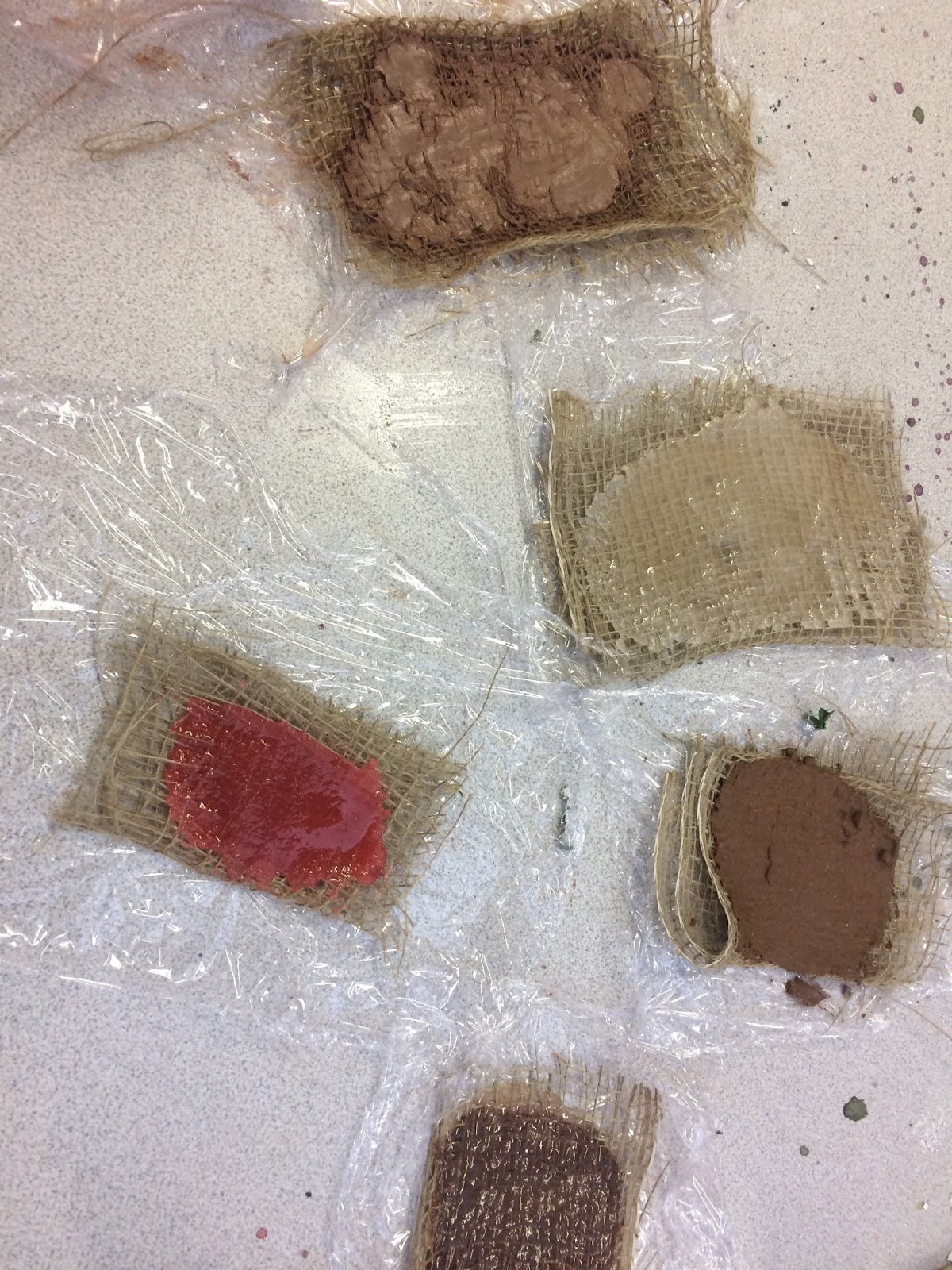
Scrim was the material I chose to use because of how it is made up. Rather than being a strong material, the different strands that make up the net like form are very loose and can be pulled apart very easily. this means that even when coated in plaster, the material will still move below.


The first material I tested was a mix of sugar and water. I mixed it so that it wasn't to dry or wet,but just in the middle where the granules would make a thick liquid. I applied it in a thin layer and spread it across evenly and left it to dry.


The next material I chose to use was sand. I had doubts about this material already, knowing that it could be knocked loose very easily when dry, and was probably the most like to crumble when tested.


I added small amounts of water until it was the desired consistency, similar to the sugar and water mix, and then applied it to the scrim. 
In comparison to the sugar and water mix, the sand didn't apply as smoothly to the scrim, and would easily pull up if spread to thin.
I also made another mix using both the sand and the sugar and water mix together.The colour it produced was a lot darker than that of just the sand alone, and it also took the longest to dry.
One of the to sand experiments I made was put outside to dry, while the other was left ith the rest inside.


I also mixed ink and the sugar/ water ix together to see if it would affect the drying time. It didn't.


Finally, the last material I tested was clay, knowing that when it dried without the proper conditions it would crack. I put this experiment outside to dry because otherwise it would have taken a long time.


My conclusions from this experiment:


  • Sand: The outside experiment dried quick but as predicted would flake off and crumble when the scrim was bent and moved. The inside experiment took a lot longer to dry, but would already crack and crumble when moved.
  • Clay: Dried quick because it was outside. It had surprising flexibility because it had been pressed into the strands of the scrim. when the scrim was bent it would crack, but it didn't crumble off of the scrim.
  • Sugar/ Water mix: Dried the quickest despite its appearance, which was wholly unchanged. When the scrim as bent, it would flake off, and took on a crystalized form. 
  • Sugar/Water + Sand: Colour of the sand became darker when added to the sugar/water mix. Took the longest to dry.

Experimenting With Materials

Experimenting with foods


Following my experiments with sand, and still following the idea o using materials similar in physicality with the pottery plaster that didn't set, I decided to experiment with cereals, knowing that when left to absorb moisture, they would go soggy, and would later set and go hard. I was most interested in working ith the material at the stage where it absorbed the moisture I would apply to it.

The cereal I chose to use was Rice Krispies, knowing that when soggy, the cereal retained its shape. I used a small amount of water and ink for colour and mixed them together until the liquids were absorbed.
As well as being soggy, the cereal was also sticky, and would retain its shape when pushed into forms, making it perfect for moulding with


The first thing I did with the cereal was make a ball, simply to see if the cereal would hold together after a length of time or, like the sand from the previous experiment, fall to pieces once dry. I encased it in plaster so that if the shape were to crumble, there would be a visible trace of where it had previously been.

I left the cereal for around a week after this, and when I came back to it, it was covered in a thin layer of green mould. The ink had also began to spread through the plaster.
Unfortunately, because of health and safety, I had to throw the experiment in case anything were to happen because of the spores that could possibly be released from the mould.


For my next experiment, I decided to use a mixture of water mixed with sugar. This mixture would be extremely sticky, and I had the hopes that it could be used as a glue. 

I had first tested it on scrim to see what would happen if it were applied to a flexible surface.


I had believed that the mixture would take a while to set, and as the day went on my suspicions grew. There had been no visible change to the appearance of the experiment. It still looked as glossy and wet as when I first applied it, but when I went to touch it, the sugar and water mixture had gone solid, and had formed a thick crust over the scrim.

At this point, I found myself lacking for ideas, and had begun experimenting with the pottery plaster again. Because I had finally figured out how to get it to set solid, I had started to move back to my comfort zone. I had also started picking up found objects once again because of my lack of ideas, and had started combining the two together. Realising this, I decided to add in some of the new materials I had been experimenting with. 


At first, I had considered painting the entire experiment in one block colour except for the found object, in this case the glasses, but instead decided to combine ink with the sugar water mix I had been experimenting with, and pour it over the top, knowing that the red pigments would transfer into the plaster from the ink.


Once dry, the sugar frmed a crust similar to that as on the scrim, but because the surface was uneven and more textured, the sugar had began to flack off in places, and had stuck in others.
The colour had faded a whole lot since I had applied the mixture to the plaster, but the way the pigment had spread from where it had initially been was interesting.